
ABOUT BNDL ARCHITECTURE
BNDL Architecture designs custom homes, additions, remodels, and commercial spaces across Southern California. We are an architecture and interior design studio led by licensed architects Danielle Duryea and Kaveh Arbab, and every project is run directly by us, from first sketch through construction.
Before BNDL, we both worked at Gehry Partners and other Los Angeles design offices on cultural buildings, concert halls, and corporate headquarters. We bring that same attention to detail to every project we take on, at any scale.
We handle architecture, permitting, and interiors under one roof, so nothing gets lost between consultants. If you already have an interior designer, we’re happy to work alongside them.
We have designed and permitted projects in more than 20 jurisdictions, including Newport Beach, Laguna Beach, Costa Mesa, La Cañada Flintridge, and Los Angeles, as well as South Dakota, Colorado, Arizona, and Nevada. We know how to move a project through plan check, design review, and HOA boards without losing the design.
WHAT YOU GET
Direct access to the licensed architects who own the firm
Feasibility studies that tell you what your property allows before you commit
Photoreal 3D renderings early, so you see the design before you build it
Detailed construction documents
Permit coordination and management
Interior design and finish selection
Start with a consultation. Call 424 264 9759 or email kaveh@studiobndl.com
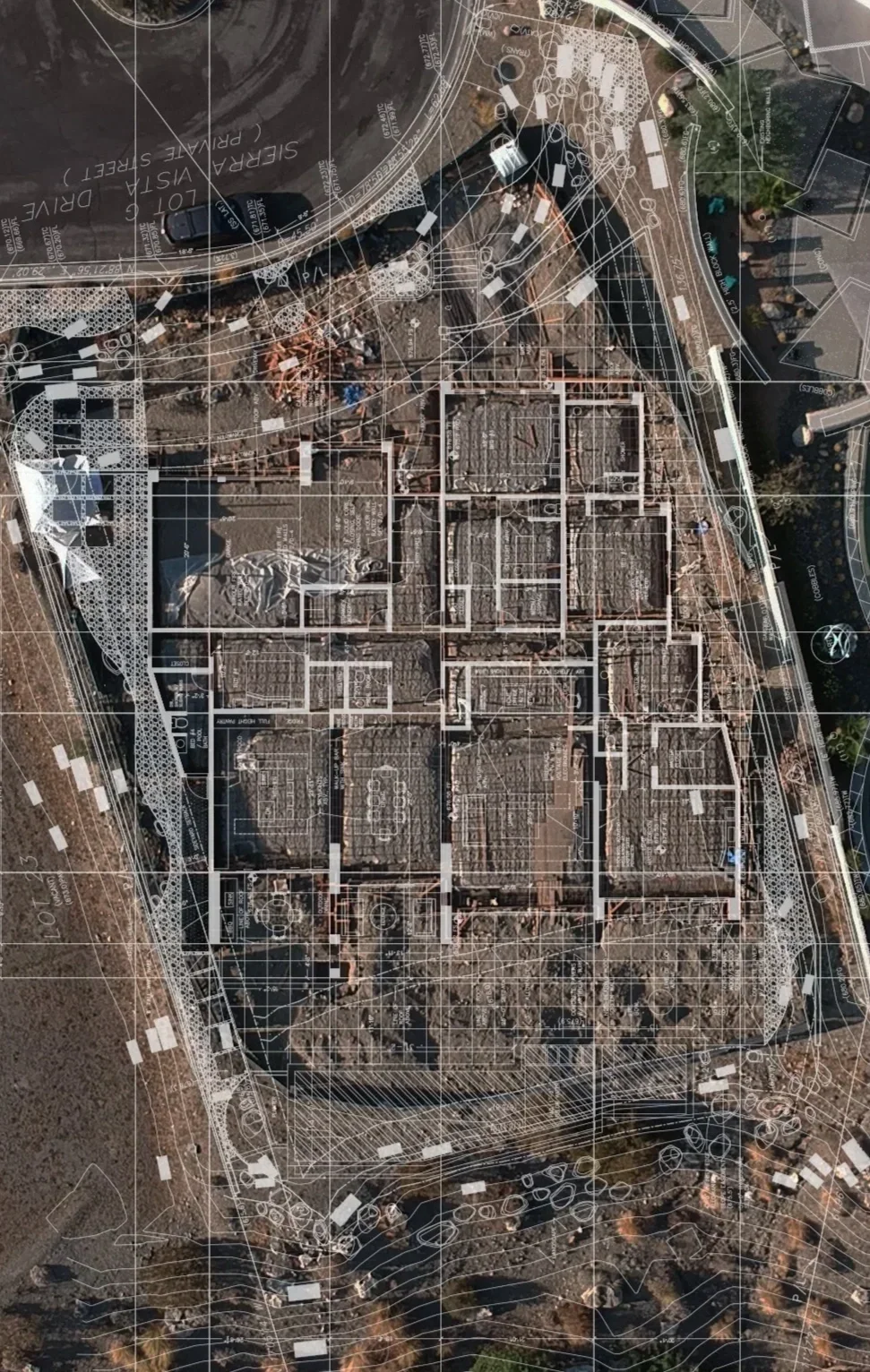
22 Sierra Vista, Rancho Mirage. Floor plan overlay on aerial excavation photo.
MEET THE BNDL TEAM
Danielle Duryea, AIA
Principal Architect & Founding Partner
Danielle is a licensed Architect in the state of California. She spent over a decade at Gehry Partners as an Associate and Project Designer, leading major cultural projects in France for the LVMH Foundation, multiple concert hall designs, as well as work in the Middle East and on Meta’s (Facebook) creative offices. Danielle holds a Master of Architecture from Yale University and a Bachelor of Architecture from the University of Florida, where she graduated Magna Cum Laude.
Kaveh Arbab, AIA
Principal Architect & Founding Partner
Kaveh is a licensed Architect in the state of California. He previously worked at Gehry Partners, Hodgetts + Fung, and WHY Architecture. At Gehry’s office, he contributed to the design and construction documentation of Meta’s MPK21 headquarters. At Hodgetts and Fung, Kaveh contributed to the design of the Nashville Ascend Amphitheater. At WHY Architecture, Kaveh was the lead designer on the Samurai Armor exhibit at LACMA. Kaveh holds a Master of Architecture from UCLA and a Bachelor of Science in Architecture from The Ohio State University, where he graduated with Honors.
ALEXANDER SEXSMITH, AIA
Senior Project Architect
Alex has a degree in Art History from Northwestern University and completed his Master’s of Architecture at the Southern California Institute of Architecture in 2005. Almost 20 years since, he has practiced architecture at corporate and boutique firms, in LA and abroad, learning from different types of practice, on a range of institutional and residential projects. He has worked on new construction, multi-phase projects, and transformative reuse of existing buildings and campuses. He is licensed to practice in California, Arizona, New Mexico, and Colorado, and is nationally board-certified (NCARB).
BNDL, what does it mean?
There is a beach in Santa Barbara called Jalama beach. Jalama is an adaptation of the native Chumash word ‘Xalam’ which translated literally, means ‘Bundle.’ Jalama beach was a central village in the Chumash nation where people from surrounding villages would gather or ‘bundle’ together. Xalam meant many things to them, not only could it mean a bundle of sticks, it meant a gathering of ideas, peoples, stories, foods, goods, or a bundle of thatch and timber that form the structures in which they congregated.
We like what this word meant to the Chumash and wanted to reflect this idea in our name, BNDL.
These same ideas are relevant to modern architecture and construction. In order to make a building, many people must work together to bring different ideas and materials in to one coherent place.
“Many parts, one place.”
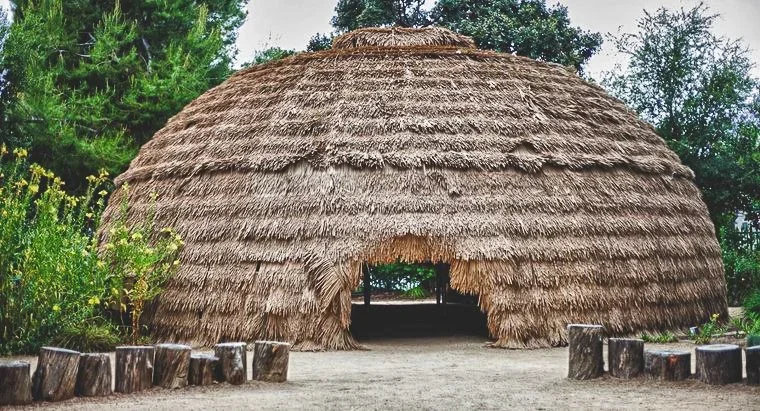
Chumash “Ap” shelter.
